



News
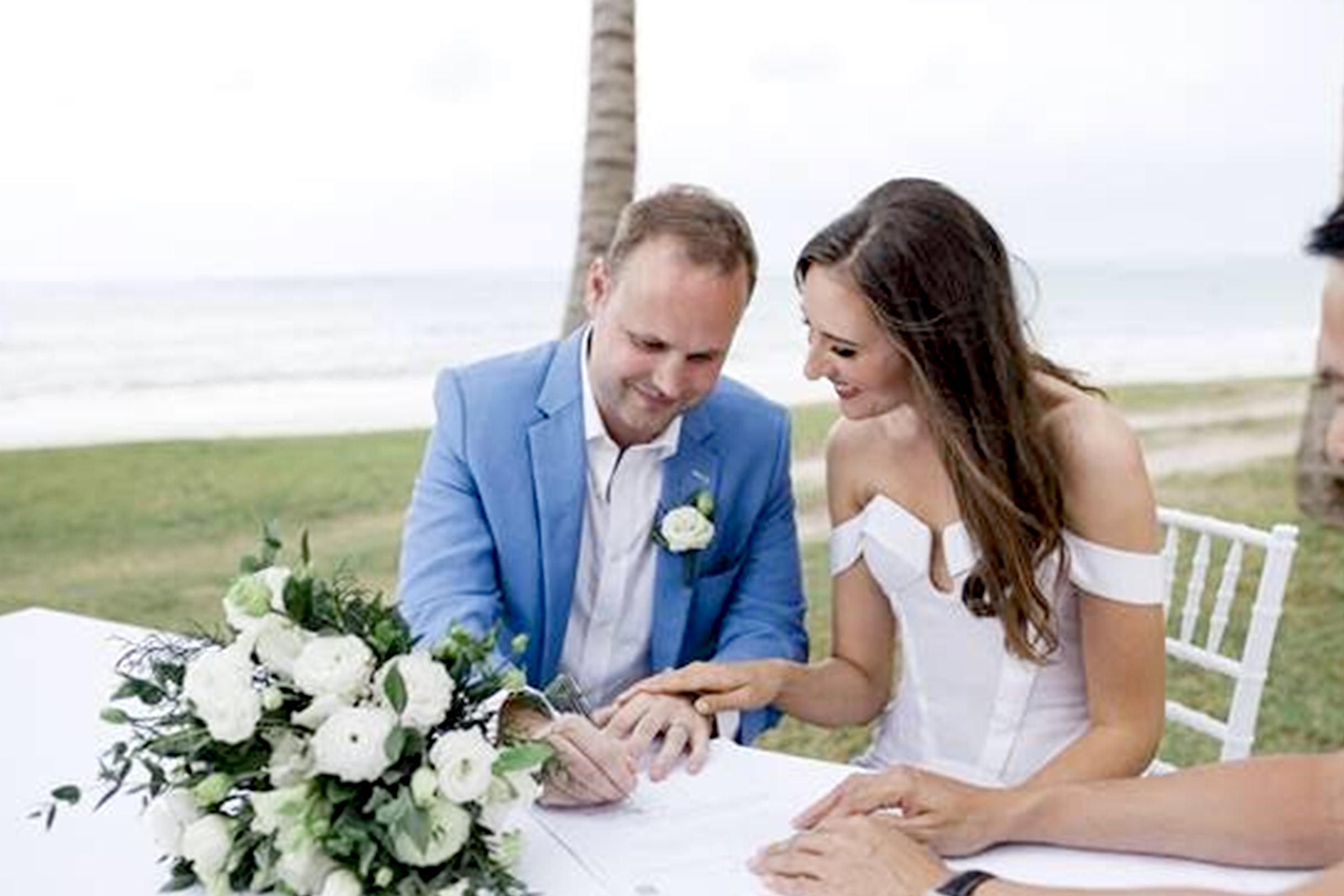
TOT Weddings: Sarah and Chris
Sunday Nov 24 2019
You looked incredible in your suit on your wedding day. How was it received?Thank you! Being a beach wedding in Koh Samui during I was after something that was light. I always wanted to tie the suit in with the beach surroundings (and I'm glad i did as the light blue of my jacket fabric looked great in the photos).Tell us a little bit about where you're from originally.I am from the UK and my wife Sarah is from Australia. We met in Sydney where we had both relocated to for work. With a love for travel and experiencing different cultures we moved to Singapore in 2014 where we spent...
Read More
-

TOT Weddings: Natasha and James
Friday Mar 01 2019
You looked incredible in your suit on your wedding day. How was it received?Why, thank you very much! The suit, as you might expect, was...
Read More -

TOT Weddings: Pear and Paul
Thursday Nov 29 2018
Recently married and long time clients of ours, Pear and Paul sat down with us to talk about weddings, life in Bangkok and us of...
Read More -

TOT Weddings: Victoria and John
Tuesday May 08 2018
Congratulations guys! Please tell us a little bit about where you are from and where you were married?I'm from Dunedin, in the South Island of...
Read More -
TOT Weddings: Frankie and Josh
Wednesday Mar 21 2018
Where did you guys meet?We met in secondary school and also through our brothers being best buds.Where are you from and what do you both...
Read More -

TOT Weddings - Irma and Marcus
Tuesday Feb 20 2018
Where did you get married?We got married in Tankardstown House, Slane, Ireland on June 9th. We had 108 guests, Amazing of course!Your wife looked beautiful...
Read More -

The Suits of Tom Hiddleston: How to Dress Evil
Friday Sep 01 2017
Tom Hiddleston is well known for playing Loki in the Marvel cinematic universe. His brilliant spin on the evil character consecrated him to the top...
Read More -

Belts, fasteners and suspenders
Tuesday Aug 01 2017
Throughout history, holding garments in place, more specifically holding pants up, has been a struggle that made all men equal. To solve this ancient problem mankind...
Read More -

Pocket Guide to Pocket Squares
Saturday Jul 01 2017
We’re huge fans of pocket squares, as the pop of color livens up your look and displays a bit of personality. We stock a beautiful...
Read More -

The Suits of Kellan Lutz
Thursday Jun 01 2017
We decided to break down the suits of this dapper gentleman to follow up on a suggestion from female members of staff. We didn’t know...
Read More -

The Collar Guide
Monday May 01 2017
Choosing a shirt collar that harmonizes your features while helping you achieve a dapper look is one of the joys of having a shirt tailored....
Read More -
The Suits of Hannibal
Saturday Apr 01 2017
This NBC series brings us into the life of the young Hannibal Lecter, the psychiatrist and criminologist that likes to eat people. While Mr Lecter...
Read More -

Garden Parties and Outdoor Events
Thursday Mar 30 2017
Receiving an invite to a garden party is always good news. There is nothing better than an outdoor event to have a couple of drinks...
Read More -
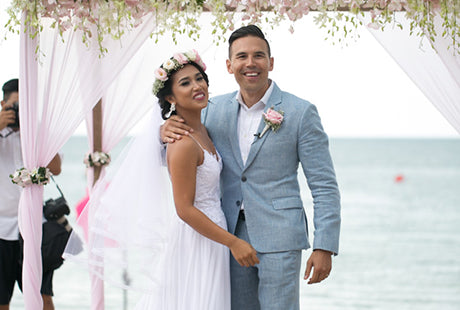
TOT Weddings: Kwang & Robbie
Thursday Mar 30 2017
Robbie and his beautiful bride Kwang got married recently on a picturesque beach in Koh Samui. Sporting a gorgeous Drago Italian Wool/Linen suit and Thomas...
Read More -

The Suits of Homeland
Monday Jan 30 2017
Homeland is one of our favorite television shows. With a brand new season recently started, we remember the adventures of Nicolas Brody and intelligence officer...
Read More -

The Suits of Downton Abbey
Monday Dec 26 2016
Downton Abbey is a TV show we love, especially for the classic British style. The series chronicles the lives of the Crawley family and their servants,...
Read More -

Does Money Buy Style? The Suits of Hollywood's Top Paid Actors
Tuesday Nov 15 2016
Following up on this article we read on Forbes, ranking the highest paid actors in Hollywood, we decided to investigate if these gentlemen ranked the...
Read More -

The Suits of The Blacklist
Sunday Oct 09 2016
The Blacklist is another show we have been spending some time with, and we find James Spader’s “Red” Reddington to be the character holding the...
Read More -

The Suits of Stephen Colbert
Sunday Aug 21 2016
Stephen Colbert recently took over The Late Show, and so far we have been amused. While watching the show, our keen eye for suits could...
Read More -

The Prince of Wales Check: A Pattern with Character
Thursday Jun 09 2016
Like chefs who are inspired by delicious ingredients, as tailors, we are inspired by the exceptional fabrics that make up our bespoke suits. As far...
Read More -

All About Mohair Fabrics
Tuesday Apr 19 2016
Mohair is a special type of fibre that is extracted from the hair of angora goats. The smooth fibres give mohair a distinct shine and...
Read More -

TOT Weddings: Halinka & Danny
Monday Feb 01 2016
Danny caught our attention immediately with his awesome hairstyle and winning attitude - but then, who wouldn’t be in a great mood while getting ready...
Read More -

Ten by Tailor On Ten: The Best Movie Suits of 2015
Thursday Dec 24 2015
Movies are an endless source of inspiration for style, featuring both modern and vintage sartorial flair. Below, we’ve picked our top 10 films this year, from...
Read More -

The Suits of Conor McGregor
Wednesday Dec 16 2015
Conor McGregor is one of the most exciting personalities in the world of sports, and he has been known for his devastating fighting, but also...
Read More -
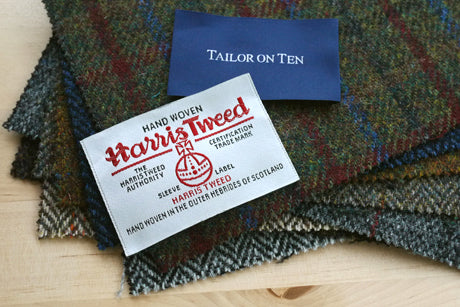
Harris Tweed: The Cloth of Scotland
Tuesday Nov 10 2015
Harris Tweed is a fabric so textured that one can almost read its story running a finger over the intricate yarns; a story about Scotland,...
Read More -
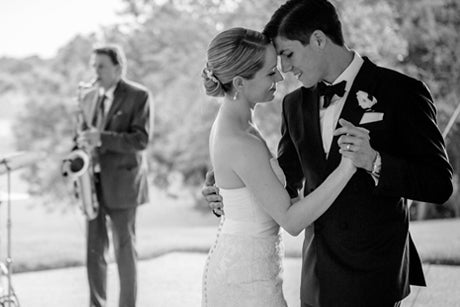
TOT Weddings: Emily & David
Tuesday Oct 20 2015
Emily and David got married earlier this year and as soon as we saw the photos, we knew this was one ceremony destined to the...
Read More -
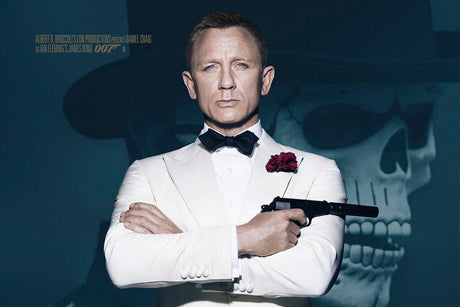
The Suits of James Bond - Spectre
Thursday Oct 08 2015
The latest Bond is one of the most anticipated films of the year. Daniel Craig is back, facing Spectre, the evil organization that has been...
Read More -

Dormeuil: The Fabric of Connoisseurs
Monday Sep 07 2015
During its 170 years of history, Dormeuil has been producing the finest fabrics on the planet, blending timeless British elegance with a touch of French...
Read More -

Tailor On Ten's Signature Scent Soap
Monday Aug 31 2015
Introducing SIGNATURE SCENT SOAP Those who have visited Tailor On Ten know that it can be a hot walk to our store, but once you...
Read More -
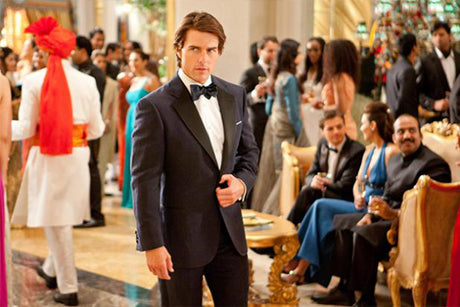
The Suits of Mission Impossible: Rogue Nation
Sunday Aug 30 2015
Tom Cruise’s blue suit from Mission Impossible 4 stands as our best selling ‘movie suit’ ever, so when the new film of the franchise hit cinemas, we...
Read More -
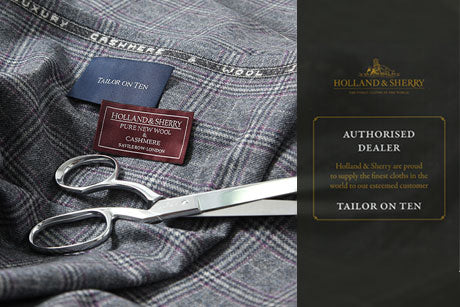
Holland & Sherry: Fine Fabrics of The Grand British Tradition
Tuesday Aug 25 2015
Holland & Sherry truly epitomizes fine British fabric making, with its rich heritage and unquestionable quality. In this respect, one might even say that it...
Read More -

The Treadle Sewing Machine
Thursday Aug 20 2015
It is believed the first sewing machine was designed by English inventor Thomas Saint in 1790, however a German engineer named Charles Frederick Wiesenthal was...
Read More -
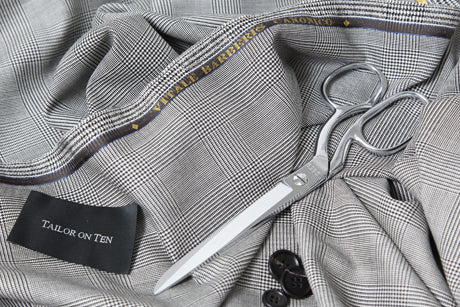
Vitale Barberis Canonico: 350 Years of Italian Textile Excellence
Sunday Jul 19 2015
Vitale Barberis Canonico is a fabric mill from Biella in northern Italy, the epicenter of Italian wool production. With over three centuries of documented history,...
Read More -

TOT Weddings: Rattana & Prathan
Friday Jun 12 2015
Prathan and his beautiful bride Rattana got married in March at Plaza Athenée in Bangkok. Prathan started by telling us "Everybody complimented my suit and the...
Read More -

How to Own a Blazer
Wednesday Jun 03 2015
The blazer, or sport coat, is one of the most versatile pieces in any man’s wardrobe. In this article we will give you enough information...
Read More -

BAFTA Television Awards 2015
Thursday May 14 2015
Following last week’s political frenzy, Sunday night was the time Britain could swap out discussions of socialism for screenplays, and parliamentary debates for pan-shots. Indeed, it’s...
Read More -

Introducing: Tailor On Ten Trunk Shows
Wednesday Apr 29 2015
We are proud of having built a reputation for exceptional quality and great style that spans a global client base. Now we take a huge...
Read More -

Fight of the Century: Mayweather vs. Pacquiao
Monday Apr 27 2015
Here at Tailor On Ten, we have strong opinions about things, so we figured we’ll just go ahead and call a winner in the imminent...
Read More -
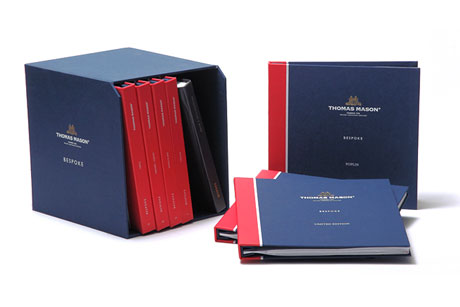
Thomas Mason: The World’s Best Shirt Fabrics
Tuesday Apr 21 2015
Thomas Mason was founded in Leeds, England, in 1796, in the midst of the first industrial revolution. Steam engines began to replace manual and animal...
Read More -

Linen: The Ultimate Summer Fabric
Tuesday Mar 24 2015
Linen may not be the first thing that pops into your head when you think of tailored clothing, but for summer wear, it’s a hard...
Read More -
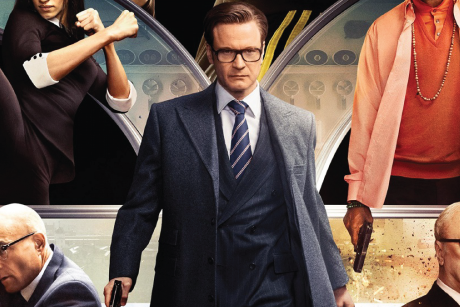
The Suits of Kingsman
Friday Mar 13 2015
Kingsman, Matthew Vaughn’s ode to spy movies, has been received with varying levels of enthusiasm, but one thing everyone seems to agree on is that...
Read More -
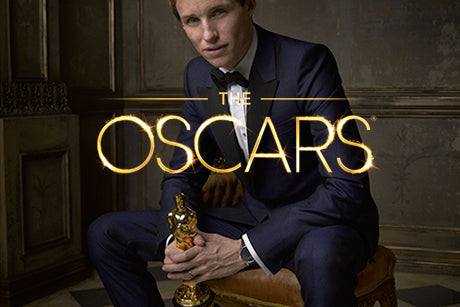
Ten by Tailor On Ten: The Oscars 2015
Wednesday Feb 25 2015
Ten by Tailor On Ten is a series of Top 10 lists, carefully curated by the TOT tastemakers. Here at Tailor On Ten, we’re big fans of...
Read More -

The Tailor On Ten Accessories Collection
Tuesday Feb 17 2015
After months of hard work, we’re proud to introduce the Tailor On Ten Accessories Collection. We have designed some beautiful ties and pocket squares that balance...
Read More -

TOT Weddings: Anneke & Jeroen
Sunday Feb 15 2015
In the TOT Weddings series, we get to join some of our dear clients on the most important day of their lives. These couples celebrate...
Read More -
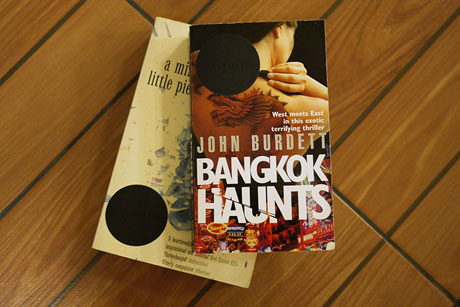
Tales of Thailand: Must-Read Books Far Beyond Lonely Planet
Sunday Jan 11 2015
When we expanded our shop to include the neighboring house, we wanted to provide not just new fitting rooms for our growing customer base, but...
Read More -

The Essential Black Tie Guide
Tuesday Dec 02 2014
The Tuxedo This blog often mentions tuxedos, both because they are prevalent in the celebrity-laden higher chambers of society from which we draw inspiration, and because they...
Read More -
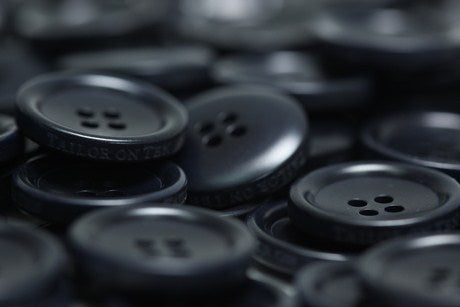
Corozo Buttons
Tuesday Jul 15 2014
Did you know that our beautiful corozo nut buttons are a result of 19th century sea travel innovation and an epic love story? Read on…...
Read More -

Style Breakdown: Ryan Reynolds’s Brown Blazer
Saturday Jul 12 2014
We’ve mentioned Ryan Reynolds before. We think he has pretty cool style, pulling off sophisticated casual and elegant formal with equal effortlessness. In our last...
Read More -

The Hopsackers
Wednesday Jul 09 2014
Hopsack is a classic fabric, woven loosely to create a slightly rough texture. In fact, the name comes from the sturdy sacks used by famers...
Read More -

David Beckham: The Modern Gentleman
Thursday Jun 12 2014
To celebrate the new unanimously acclaimed BBC documentary "Into the Unknown" and as a gentle reminder ahead of the World Cup for footballers to step...
Read More -

The Suits of the Cannes Festival 2014
Monday May 26 2014
Another iteration of the glamorous Cannes Film Festival has just come to an end. As usual, we are here to showcase and critique the forgotten...
Read More -

The Wolf Of Wall Street
Tuesday May 06 2014
After the great success of the movie "The Wolf of Wall Street", Leonardo DiCaprio was tired of baggy suits and we were honored when he...
Read More -

Interview with Ben Cole, co-founder of Tailor On Ten
Monday Mar 24 2014
What was your favorite day ever at Tailor On Ten?The day I fully realized what we had spent years building. We look so much to...
Read More -

There is no time at which ties do not matter
Monday Mar 17 2014
“What do ties matter, Jeeves, at a time like this?- There is no time, sir, at which ties do not matter” ...
Read More -
The Suits of the Oscars 2014
Tuesday Mar 04 2014
It’s time to re-launch the Tailor On Ten blog, and what better occasion than the glitziest event of the year, the Academy Awards? The Hollywood...
Read More -

The Suits of Mission Impossible: Ghost Protocol
Sunday Oct 06 2013
Mission Impossible Ghost Protocol was actually a pretty good movie. Aside from the first instalment I didn’t think the series had been all that great...
Read More -
Breaking Bad: The Suits of Gus Fring and Saul Goodman
Wednesday Oct 02 2013
We are back with more TV inspired dappery and yes, that is definitely a word… This week we are taking a look at one of...
Read More -

Japanese and Irish Linen Suits and Shirts
Wednesday Sep 25 2013
Many people consider linen to be the poor cousin of wool and cotton and in most cases that would be a pretty fair point of...
Read More -
A History of Linen and How it is Made
Wednesday Sep 25 2013
Linen is the most ancient of fabrics, with a rich and romantic heritage. Its widely accepted birth as a textile was in Egypt some 10,000...
Read More -

Arrow: The Suits of Oliver Queen (Stephan Amell)
Thursday Sep 19 2013
As we all know, being a billionaire playboy and leading the secret life of a vigilante can be a tough gig but Stephen Amell does...
Read More -

White Collar: The Suits of Neal Caffery
Friday Sep 13 2013
White Collar is a fantastic show and features quite possibly the best dressed man on TV, Neal Caffery. The mere mention of the show caused...
Read More



































